
📌 Key Takeaways
Automatic gates combine security, convenience, and street appeal, but the total cost depends on factors like gate type, materials, automation features, and installation requirements. Understanding ongoing maintenance costs and hidden expenses helps you choose a system that fits your budget and lasts for years. Whether you prefer sliding or swing gates, investing in quality materials and reliable automation ensures smooth performance and long-term value. With the right solution, an automatic gate becomes a practical upgrade that enhances both safety and everyday convenience.
First impressions matter. Whether it’s a sleek driveway in a quiet suburb or a busy commercial entrance, your gate says it all before you even step out of the car. But let’s be honest. Nobody buys a gate just for the “vibes.” You want security that doesn’t force you to hop out in the pouring rain just to fiddle with a heavy latch. That’s where the automatic gate cost comes into play.
It’s not just about the metal or the timber. The real value and often the real cost lie in the motor. Many people underestimate automatic gate openers and assume any basic unit will work. Based on the Stats Market Research the global market for Smart Security Gate is suppose to grow from 840 million USD to 1178 million USD. Schmidt Gates understands that choosing the right system is an investment that pays off in durability, safety, and long-term performance. From motor torque to installation details, there’s a lot that goes into getting it right. It’s time to move beyond guesswork and start planning with clarity.
What Is the Average Automatic Gate Cost?
Working out the automatic gate cost isn’t just about the price tag on the motor. It’s a bit of a puzzle. You’ve got to account for the motor’s grunt and the specific terrain of your driveway. Some blokes assume the cost of automatic gate openers is the only big hurdle. It’s not. The automatic gate opener installation cost often fluctuates based on how far your sparky needs to run the cables. If you’re digging deep trenches through old clay or rock, the price jumps.
Your choice of materials for sliding gate setups, like lightweight aluminium versus heavy wrought iron, drastically shifts the look and the weight. Heavy gates need beefier motors. It’s a chain reaction. Don’t be that galah. You also need to budget for regular electric gate maintenance, like greasing those tracks and checking sensor alignment. It’s a commitment. But having that remote clicker during a horizontal Melbourne downpour? That leads to zero regrets.
Key Factors That Affect Automatic Gate Cost
Type of Gate System
Sliding Gates
Sliding systems are the absolute kings of space-saving. They run on a track or a cantilever carriage, making them spot-on for short driveways where a swing gate would bash into your car. You’ll shell out more for the track installation and potentially a beefier motor.
Swing Gates
Think of these as traditional doors for your driveway. They can be single or double. Double swings look heaps fancy but require two motors, which bumps up the automatic gate opener installation cost. Wind is their arch-enemy. If you live in a gusty canyon or a coastal spot, the motors work overtime just to fight the breeze. It’s a classic look that demands sturdy pillars.
Bi-fold Gates
These are the “speed-folding” wonders of the gate world. They fold back on themselves like an accordion. They’re pricey because the hinges and linkages are dead complex. You pick these when you’ve got zero room for a slide or a full swing. The engineering involved is a ripper. It’s a niche solution that solves the “tiny driveway” nightmare brilliantly.
Materials for Sliding Gate
Aluminium
Lightweight and rust-proof. This is the go-to for most modern Aussie homes. Because it’s bloody light, the motor doesn’t have to be a beast. This keeps your automatic gate cost lower on the electronics side. It doesn’t warp like timber in the scorching sun. You can powder-coat it any colour, which is a massive plus for curb appeal. It’s the pragmatic choice.
Steel
Steel’s the heavy hitter of the lot. It’s bloody tough and offers top-tier security for any property. But watch out; it’s prone to rust if the galvanising is cheap or old. You’ll definitely need a high-torque motor to shift all that dead weight. I’ve noticed steel gates often need more frequent electric gate maintenance to keep the hinges from groaning under the pressure. It feels solid as a rock, but it’s a demanding beast.
Wrought Iron
This is for that “proper estate” vibe. It’s heavy, ornate, and usually custom-made. The materials for sliding gate projects like this are expensive. You get beautiful scrolls and spears, but the gaps might not offer much privacy. It requires a specialized installer. Expect a premium price for both the material and the beefy automation required to move it.
Timber
Wood looks like an absolute cracker and keeps things feeling natural. But here’s the thing: it’s bloody heavy and catches the wind like a sail. It also swells and shrinks whenever the rain hits. This shifting can easily knock your alignment sensors out of whack. You’ll shell out more on electric gate maintenance because timber needs staining or painting every few years to stop it looking rubbish. It’s high beauty, high effort.
How Material Impacts Overall Cost
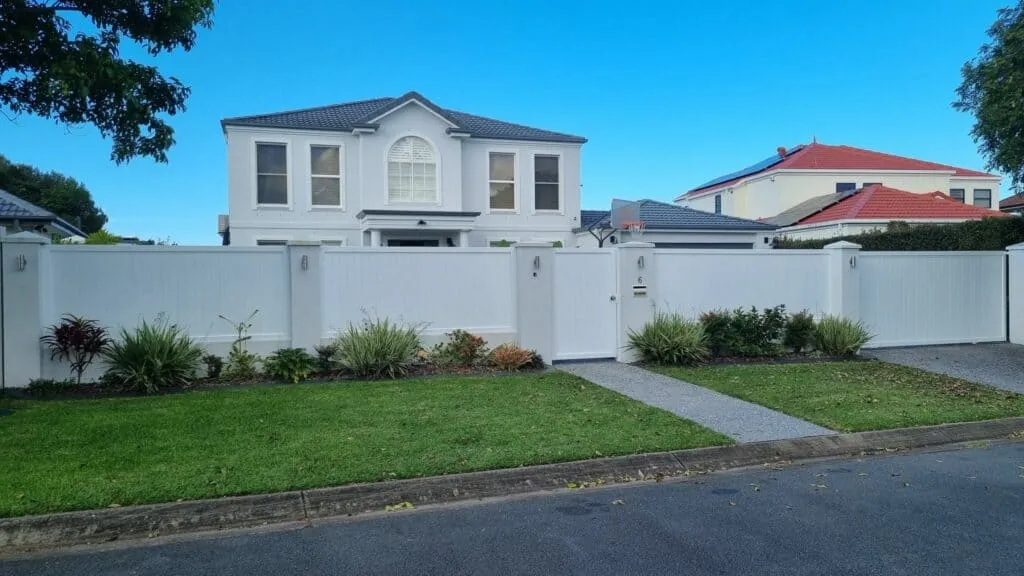
Size and Design Complexity
Custom Designs vs Standard Designs
Standard gates come in set sizes. They’re cheaper because they’re mass-produced. Custom designs let you match your house perfectly. But bespoke work involves CAD drawings and manual welding. This pushes up the automatic gate opener installation cost because nothing is “off the shelf.” You pay for the uniqueness and the extra labour hours involved.
Driveway Width Considerations
A wider driveway means a longer, heavier gate. It’s simple math. Longer gates need heaps of structural reinforcement to stop them sagging over time. If your opening is massive, you might even need dual sliding gates that meet in the middle. This doubles your motor costs instantly. Don’t forget that wider gates also require longer cable runs for the safety sensors.
Automation Features
Remote Control Systems
Most kits come with a couple of clickers in the box. But what if you’ve got a big family? Adding extra remotes or a long-range antenna adds up quickly. Some blokes prefer visor-mounted clips, while others want a wall-mounted button in the garage. It’s the most basic way to interact with your system. Reliable remotes are worth the extra few bucks.
Sensors and Smart Access
Photo-eyes stop the gate from smashing your car. That’s a non-negotiable safety feature. Smart access lets you open the thing with a phone app from anywhere. These tech add-ons bump up the automatic gate cost but provide heaps of daily convenience.
Battery Backup Systems
Blackouts are a proper pain in the neck. Without a backup, you’re stuck hopping out of the ute to manually lug a heavy gate open in the pouring rain. A battery backup keeps things moving when the grid packs it in. It’s a tiny internal bit of kit, but a total lifesaver. It adds a smidge to the electric gate maintenance checklist since those batteries inevitably conk out every few years.
Automatic Gate Opener Installation Cost
Installing these systems isn’t just about the motor. You’re looking at labour, wiring, and site prep. The cost of automatic gate openers themselves varies by weight capacity. Heavy wrought iron gates need beefier actuators.
Electric Gate Maintenance Costs
Maintain your electric gate to avoid headaches and costly repairs. Annual maintenance typically costs $150 to $500, covering sensor alignment, greasing joints, and battery checks. Ignoring issues can lead to a burnt-out motor and bigger bills. Also, check for spider webs in the photo eyes, as they can cause false stops.
Hidden Costs to Consider
The sticker price is a total furphy. You’ll end up shelling out way more on specific materials for sliding gate tracks or high-end rollers than the box suggests. Don’t forget the automatic gate cost includes the bits and bobs like remotes, keypads, and maybe a flash intercom. Trenching for power lines through solid concrete is a proper hidden wallet killer.
Conclusion
Sorting out your automatic gate cost isn’t just a “set and forget” project. It’s about balancing the right materials for sliding gate tracks with a motor that won’t give up the ghost during a storm. Between the automatic gate opener installation cost and keeping up with electric gate maintenance, there’s plenty to weigh up. But honestly, clicking that remote from a dry car makes it worth every cent. For top-tier gear that stands up to the Aussie sun, Schmidt Gates is the way to go. Stick to quality, keep the tracks clear, and your gate will be a total ripper for years.
Frequently Asked Questions
How often should electric gates be serviced?
You should aim for a professional service at least once a year. High-traffic commercial entrances or coastal spots with salty air might need a look-over every six months to keep the electric gate maintenance manageable and prevent rust.
Are automatic sliding gates more expensive than swing gates?
Generally, yes. While the cost of automatic gate openers is similar, sliding gates require concrete footings and a long track. These extra materials for sliding gate setups and the precision labour involved usually bump the total price up compared to a simple swing kit.
Can automatic gates work during a power outage?
They sure can, provided you’ve got a battery backup installed. Most modern systems include a small internal battery that kicks in when the grid fails, though you can always use a manual release key if things go belly up.
How secure are automatic gates compared to manual gates?
They’re miles ahead. Manual gates are only as good as the padlock you remember to swap, but automatic systems use motor torque to stay locked shut. It’s a massive deterrent for opportunistic burglars who’d rather not jump a powered fence.
What happens if the gate sensor stops working?
For safety, the gate usually won’t close or will immediately reverse. It’s a common part of electric gate maintenance to wipe the “photo-eye” sensors, as a simple cobweb or a bit of dirt can trick the system into thinking a car is in the way.
Can existing manual gates be converted into automatic systems?
In most cases, absolutely. If your current gate is structurally sound and swings or slides smoothly, an installer can simply bolt on the motor and sensors. This is a great way to lower your initial automatic gate opener installation cost.
Why should I choose Schmidt Gates for automatic gate solutions?
Schmidt Gates builds gear specifically for the brutal Aussie climate, using high-grade aluminium that won’t rust or warp. You’re getting a local solution that balances a sharp automatic gate cost with durability that actually lasts in the sun.